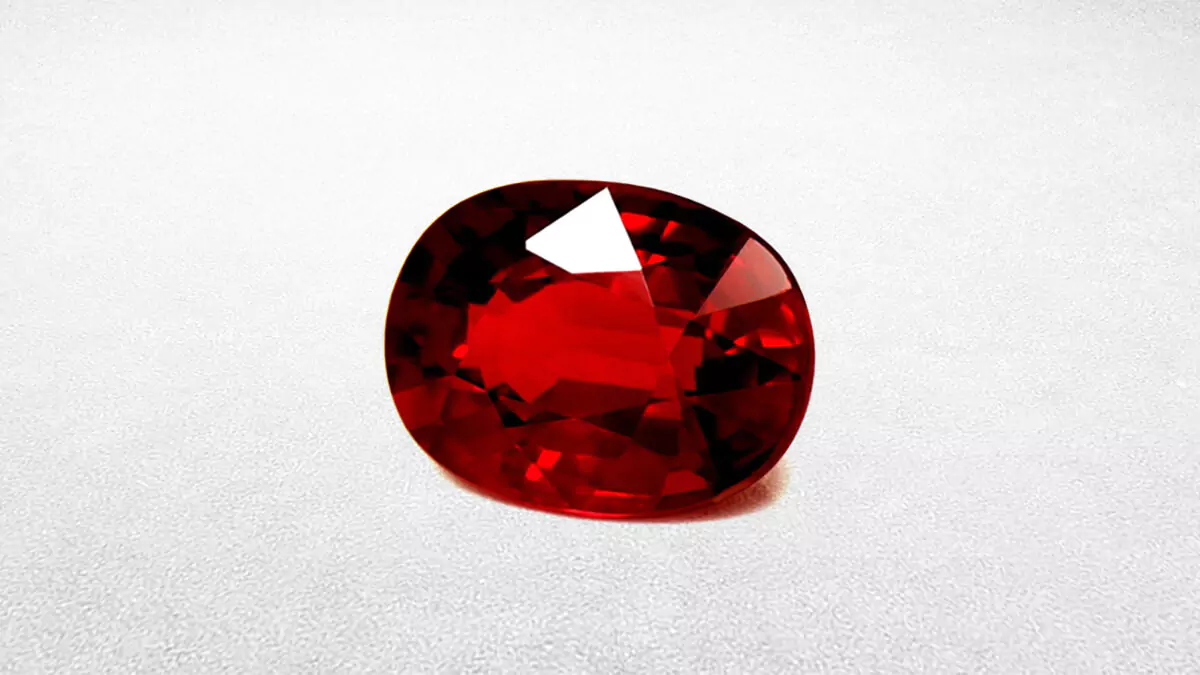
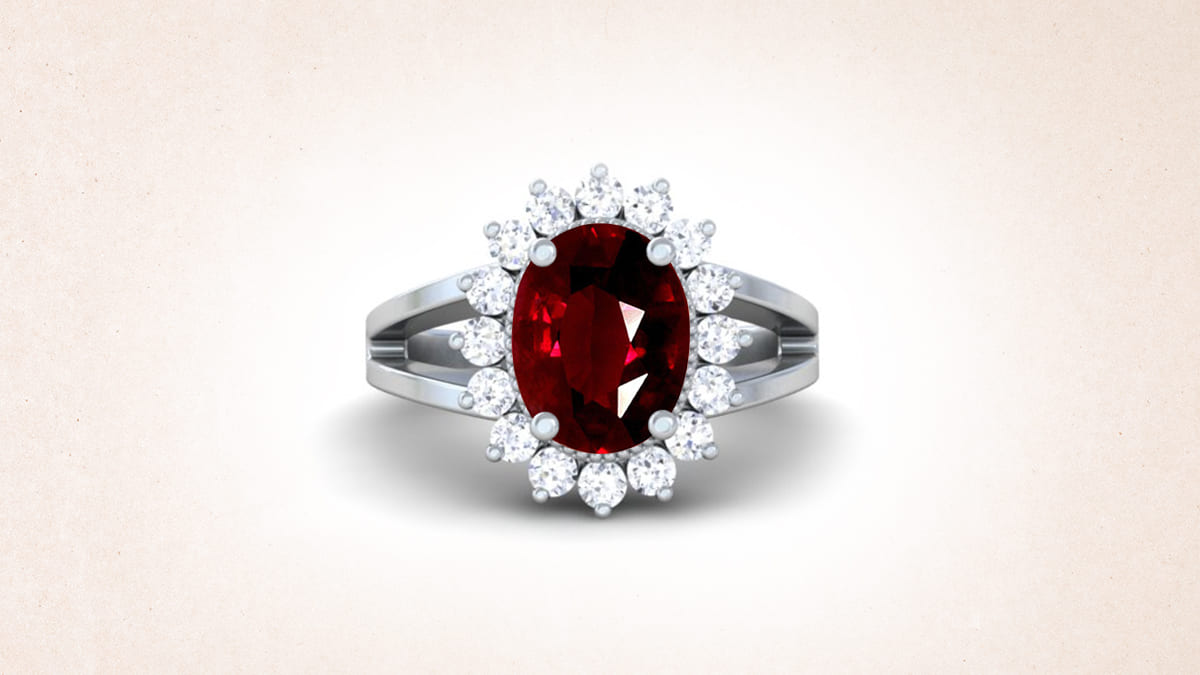
The ring is a small ornament and you probably haven’t given much thought to its anatomy. You will be surprised to discover the intricacies and the structural nuances that go into the creation of a ring, all of which are explained below.
Ring Anatomy
Let’s know all the ring parts (ring anatomy) in detail.
Center Stone in Ring Anatomy
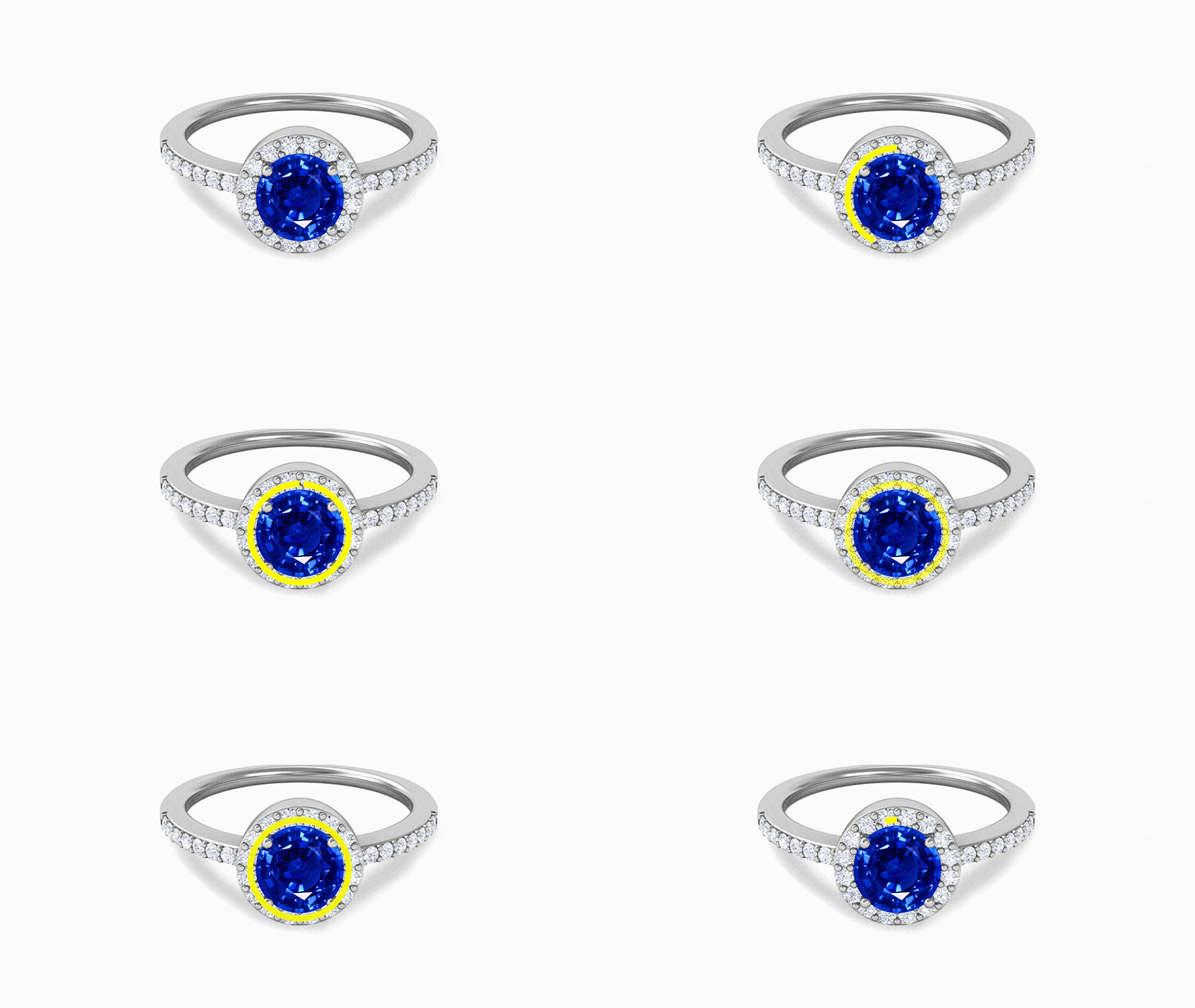
The center stone is the soul of a ring. The center stone is usually the largest rock in the jewel and sits at the center of the shank. While white diamonds are the most favored center stones, color gemstone engagement rings have been trending lately. Color gemstones like sapphires, rubies and emeralds have remained classics. However, alexandrite, morganite, aquamarine and tanzanite have also gained immense popularity.
Head: Structure and Function
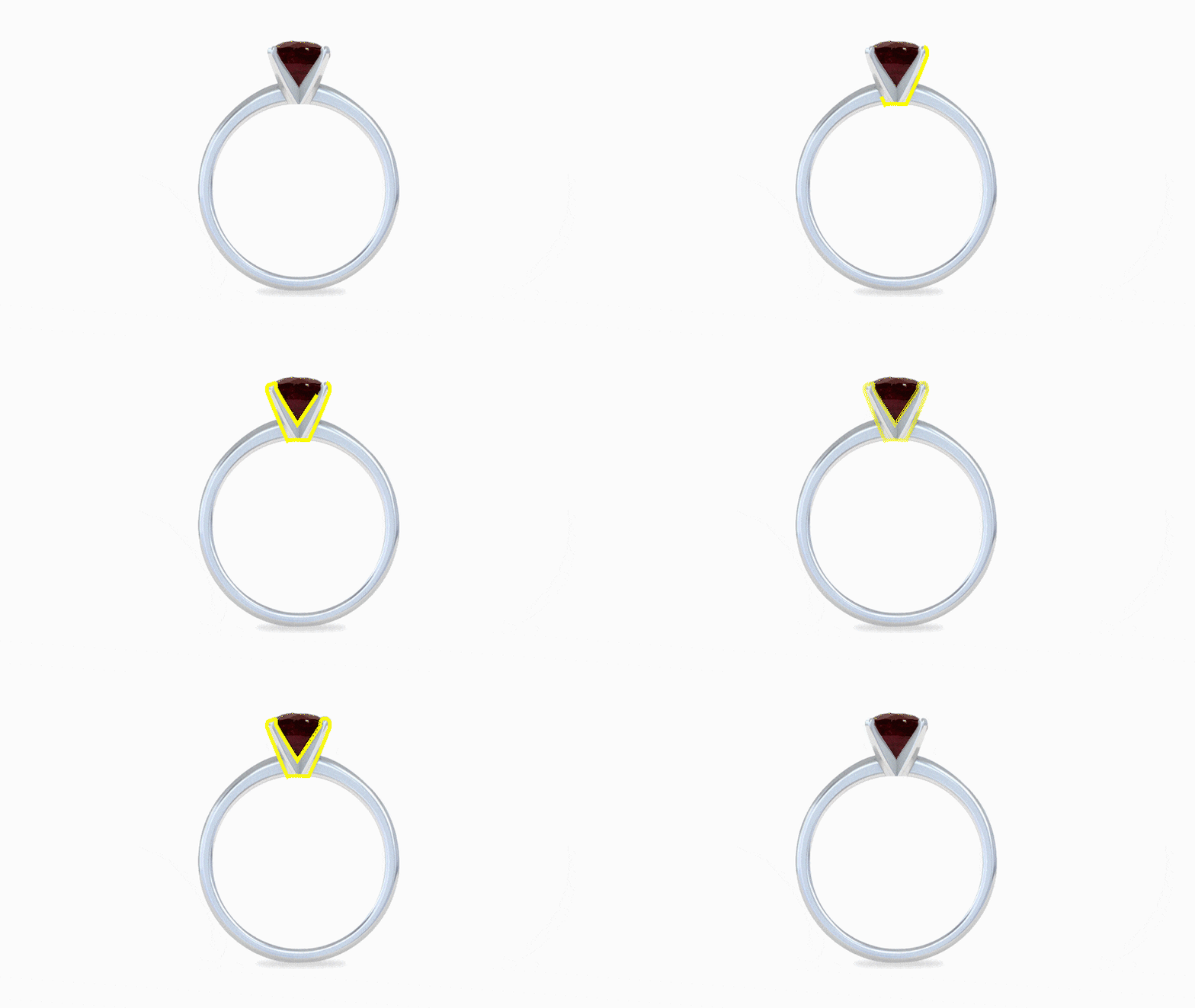
In the ring anatomy, the head holds the center stone in place. Claw head, prong head, channel head and basket head are some of the varieties. The most common head style uses prongs, thin metal extensions that secure the center stone. Since prongs don’t conceal the sides of the gemstone with metal, light can easily pass through the center stone and add to its brilliance. Sometimes a metal casing, called bezel, is used to render maximum protection to the centerstone.
Gallery: Design and Detail
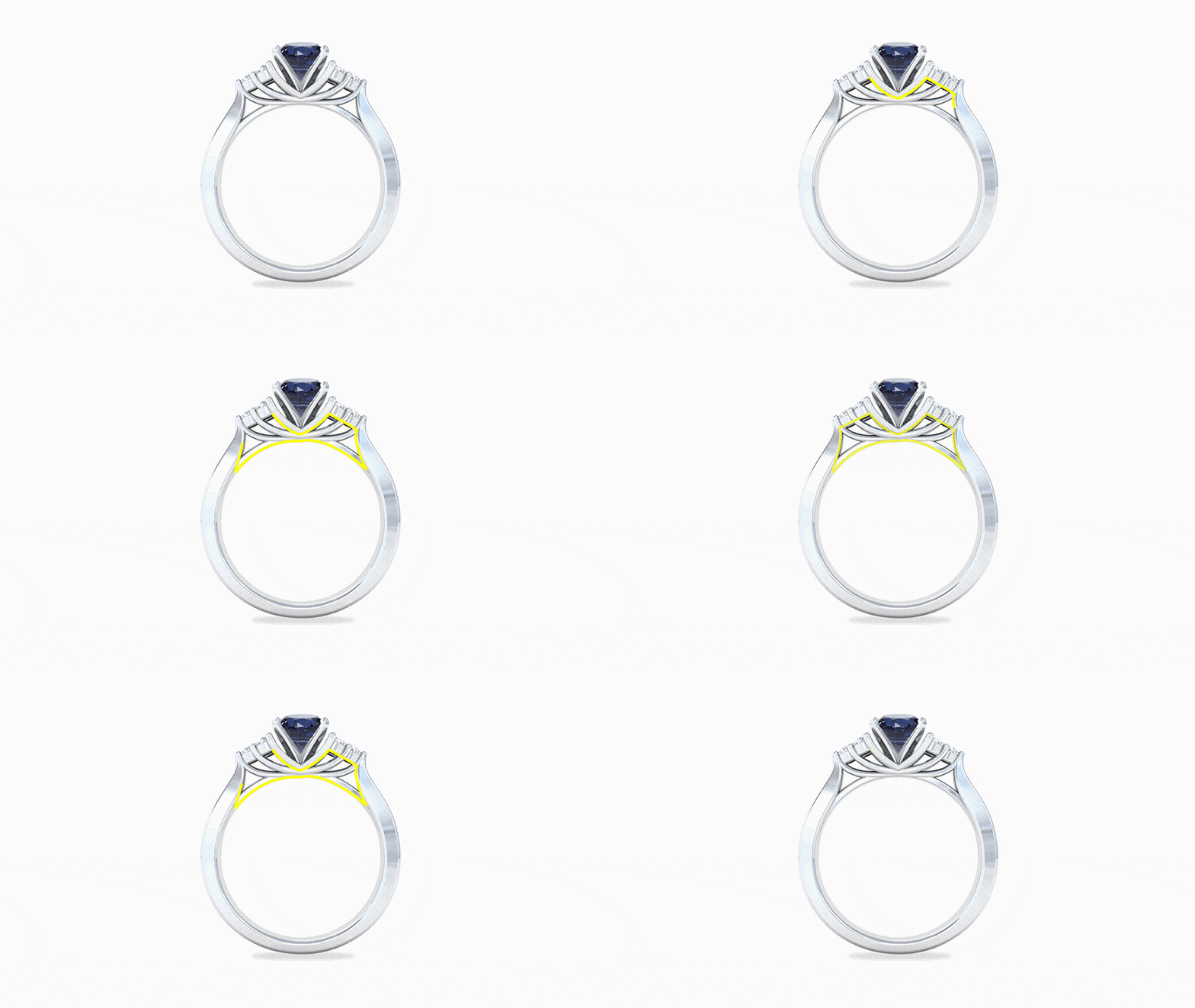
The gallery lies directly underneath the centerpiece. Gallery is integral to the ring’s structure as it holds up the head and with it, the center stone. The gallery also connects the centerpiece with the shank. In some rings, galleries are barely noticeable while in others, they are thick, elevated and molded into different designs. The gallery can feature accent stones or delicate filigree carvings for added detail.
The Role of Shoulders in Ring Anatomy
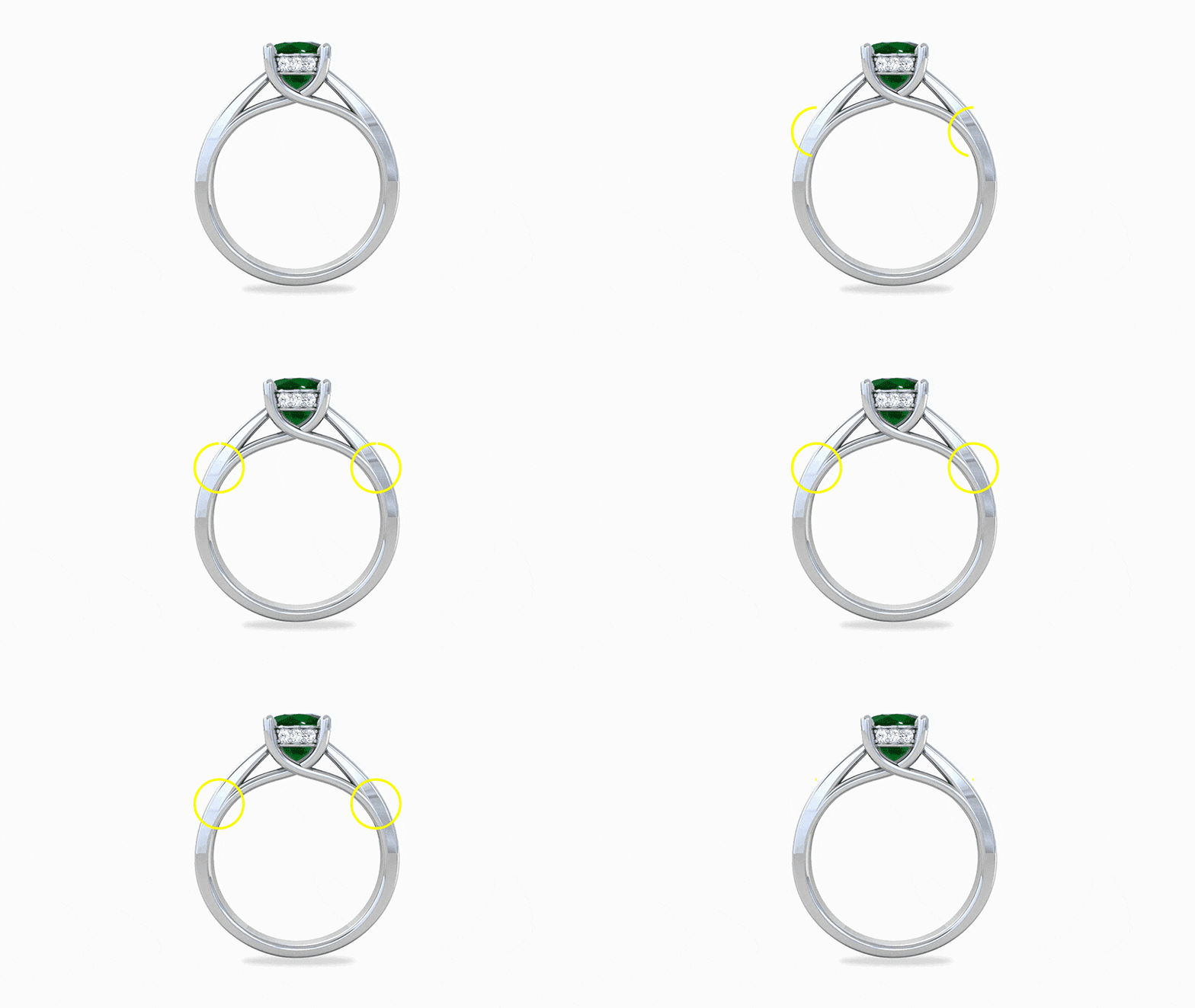
If you think of the head as an actual human head, the shoulders are exactly what you expect them to be. The shoulders extend on both sides of the centerpiece and are structurally part of the shank. The shoulders, being the most visible part of the band, play a key role in enhancing design in ring anatomy.
Breaking Down the Shank
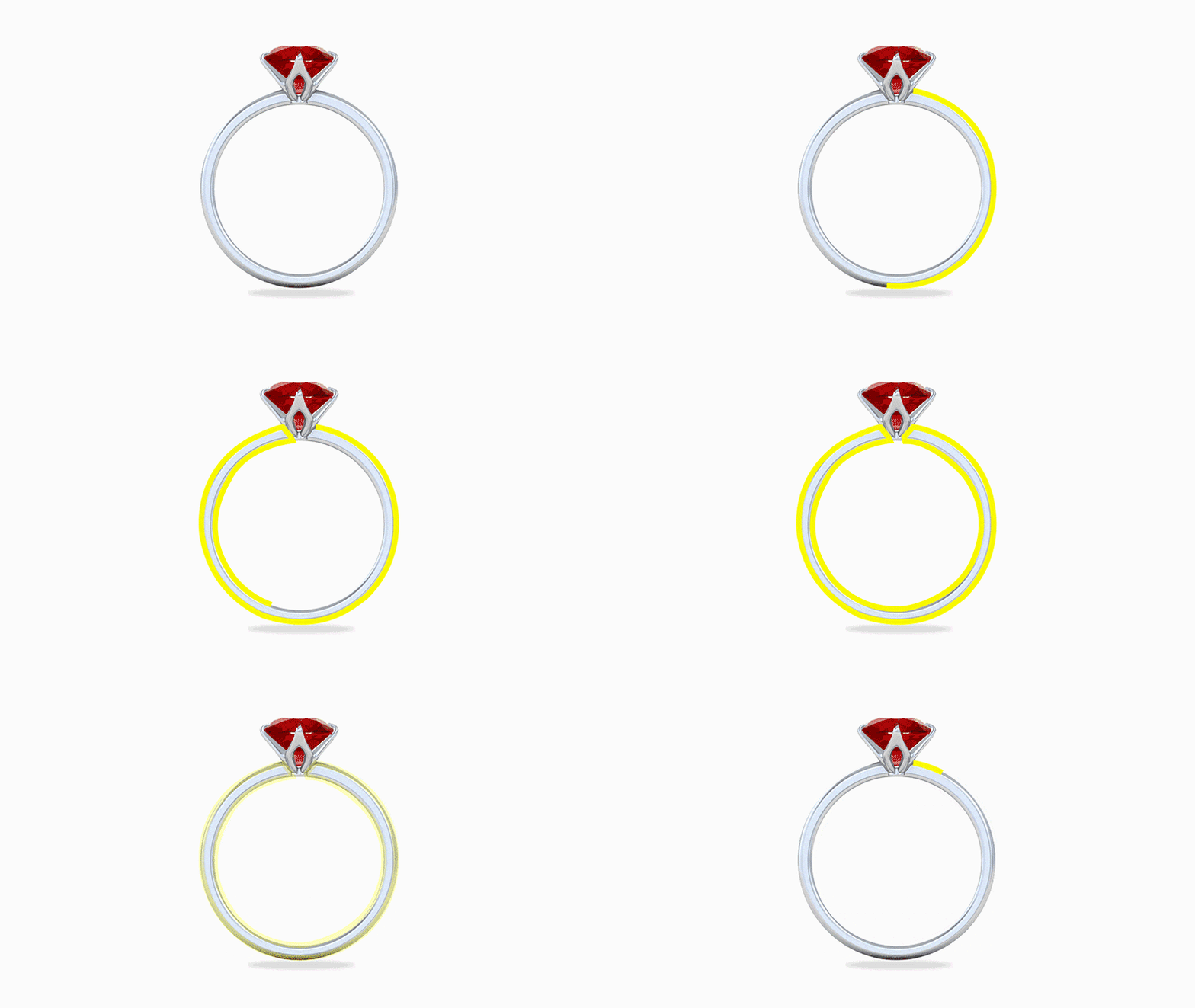
Simply put, the shank is the band of the ring which glides onto the finger. The ‘band’ can be designed as a split shank, bypass shank, double shank, rope shank, criss cross shank etc. Shanks take on various shapes, while designers add accent stones or carvings to create bold, edgy patterns.
Cathedral in Ring Anatomy: Elevation and Elegance
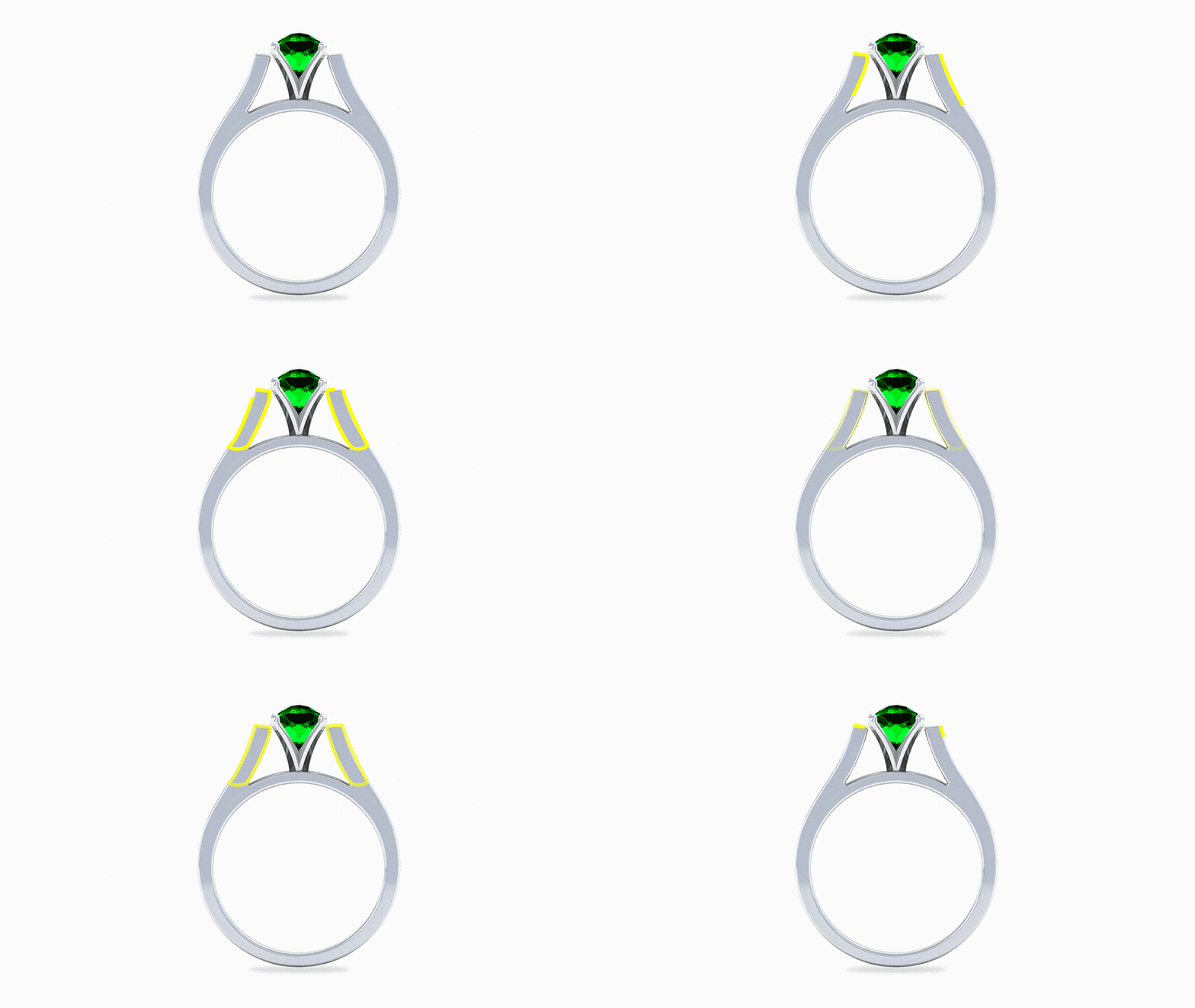
The ring anatomy of cathedral rings include arched extensions of metal rising from the shank towards the center stone, creating a triangular hollow beneath. The design is inspired by the architecture of cathedrals. These extensions are often sleek and plain, though designers may widen them and embellish them with accent stones when needed.
Side Stones and Their Impact
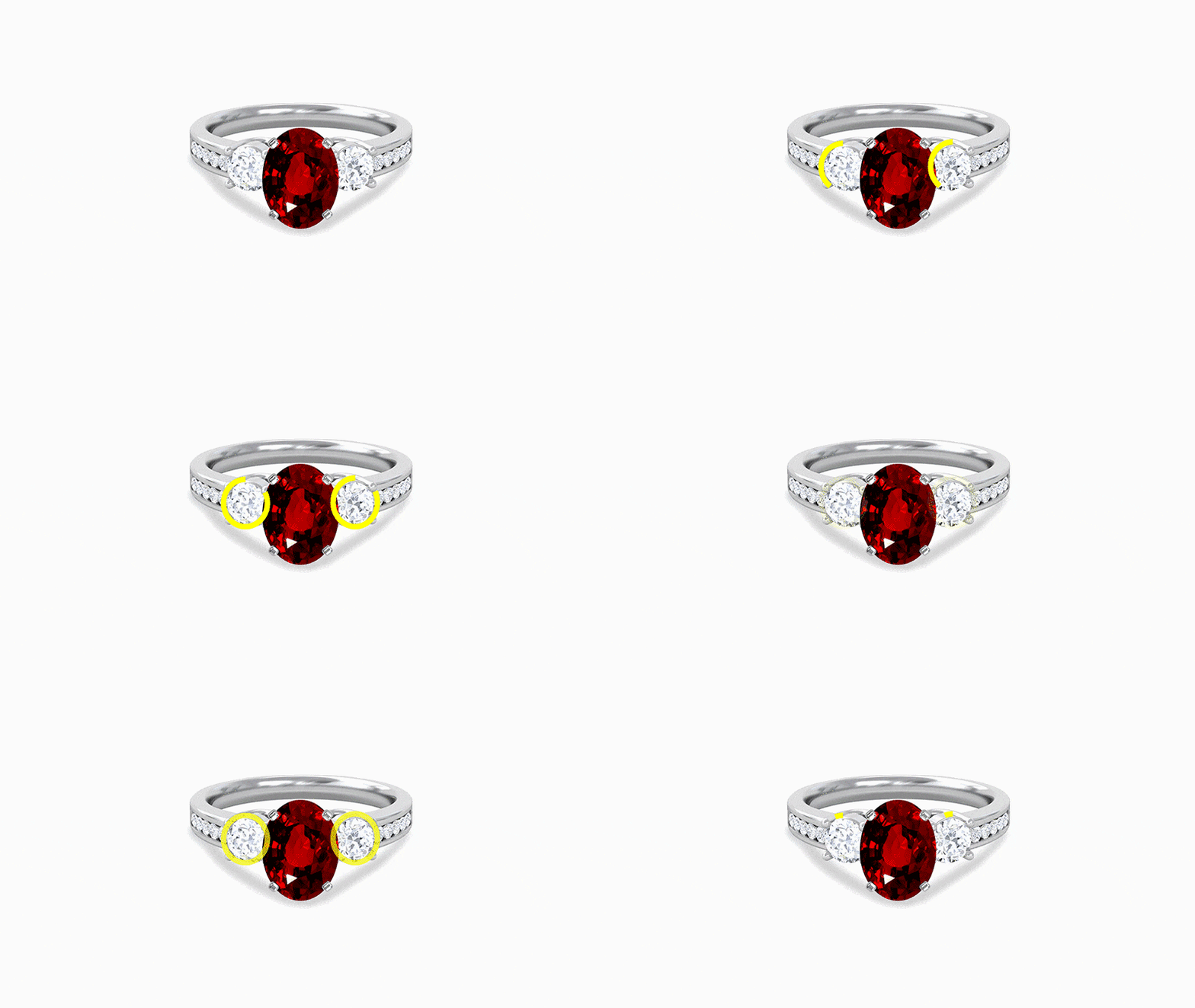
Side stones are placed beside the center stone. Three stone rings are a popular choice where two side stones grace the sides of a much larger center stone. The side stones may be the same gem as the center stone, but that usually isn’t so. White diamonds are the most popular choice of side stones when the center stone is a color gemstone.
Accent Stones in Ring Anatomy: Subtle Enhancements
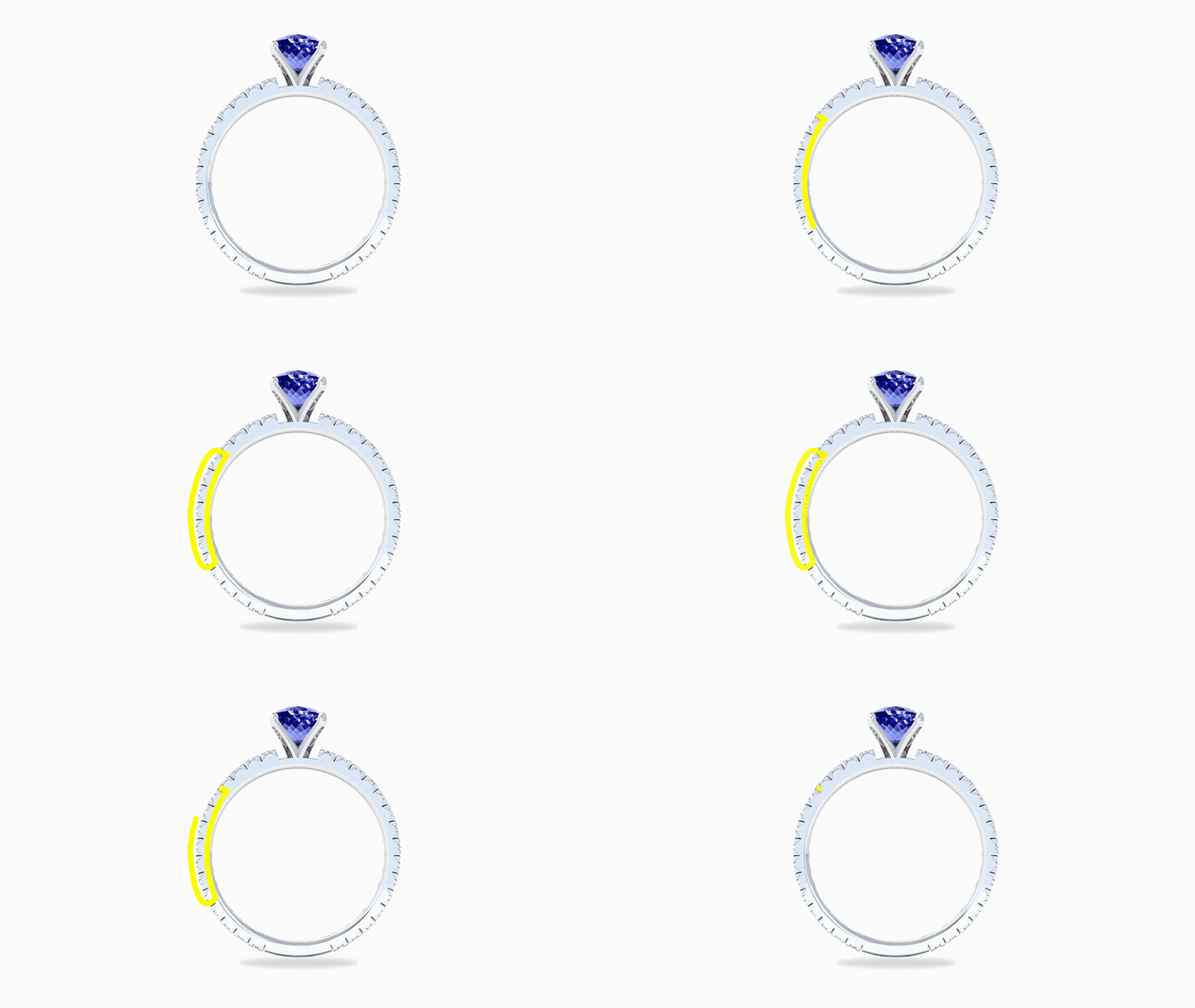
These are small stones that embellish the peripheral parts of the ring – like the shank, girdle, cathedral etc. Accent stones boost brilliance and make the center stone stand out even more. They are not to be confused with side stones.
The Beauty of a Halo Setting
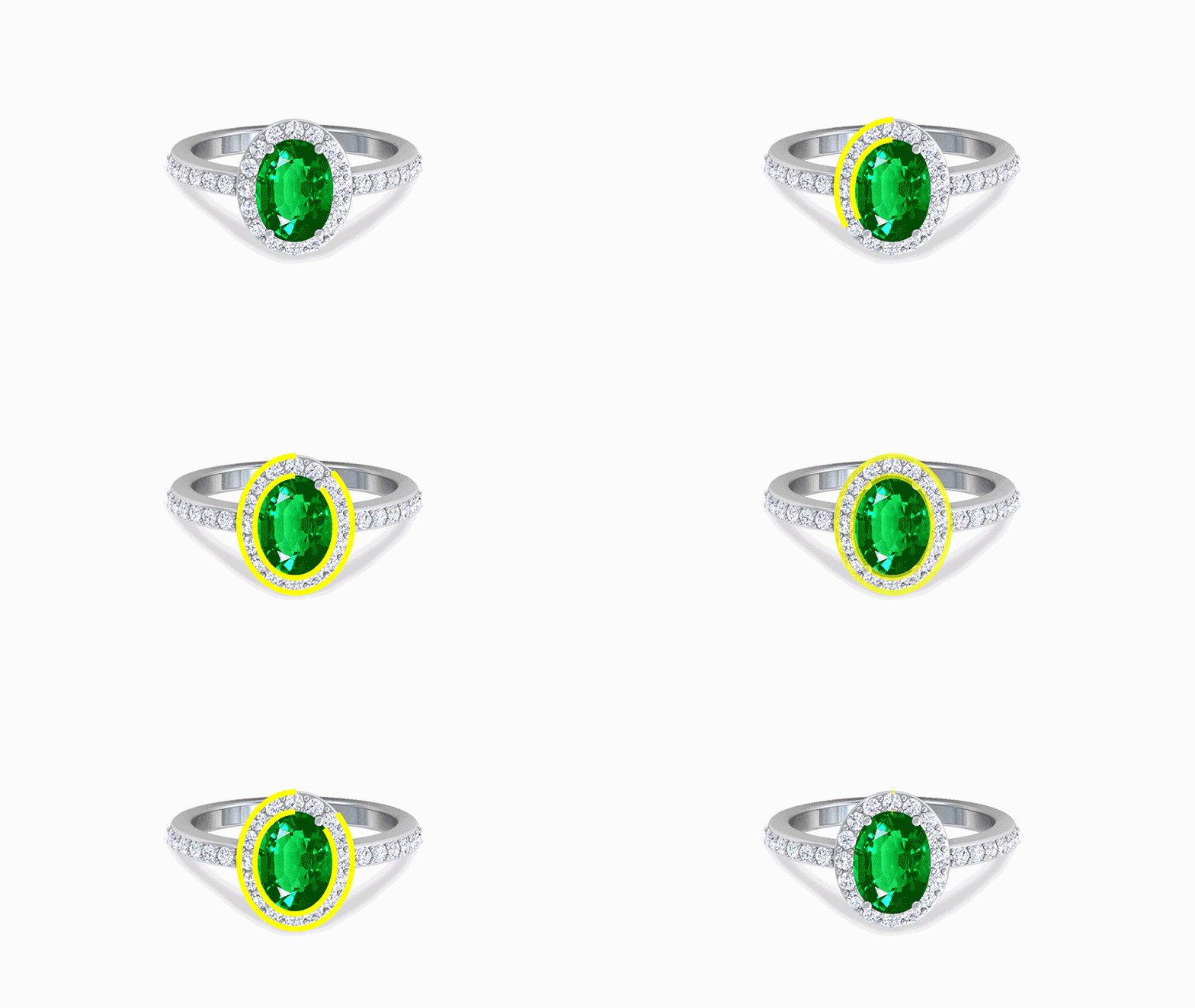
A halo is an embellished periphery that surrounds the center stone. The word halo refers to an elliptical silhouette levitating over the heads of angels and enlightened sages but when it comes to rings, a halo takes the shape of whatever center stone it is surrounding. Halo rings are a specific style and have gained immense momentum in jewelry fashion. However, it isn’t significant to a ring’s structural integrity.
What Is the Sizing Area?
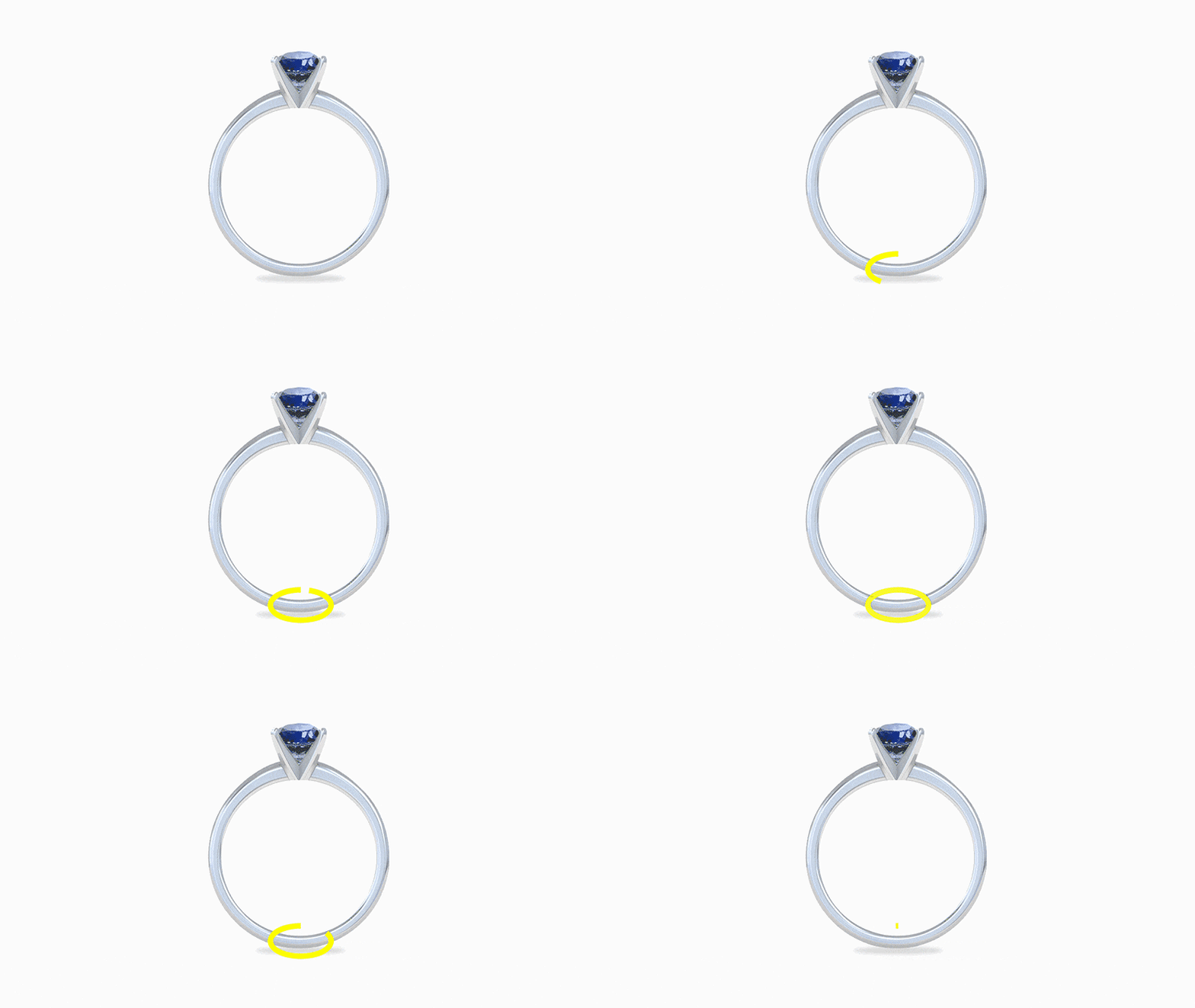
The sizing area is that part of the shank which lies directly beneath the gallery. The sizing area lies towards the inside of the palm and therefore, it is not immediately visible. However, it is structurally important as it determines the size of the ring and consequently, the comfort of the wearer.
Now that you’re a ‘ringmaster’ since you have fairly good knowledge of ring anatomy, check out our collection of preset rings or better yet, design one yourself! Besides, you can also consider other sparkling gemstone jewelry from GemsNY’s phenomenal collection.