Last Updated on July 14, 2026
Purchasing a sapphire should be an exciting experience, not a confusing one. However, navigating the differences between natural, untreated, lab created, and heated can be a bit daunting. Certification and the various laboratories used add another layer of questions.
The good news is that you don’t need to be a gemologist to make an informed decision. You simply need to know what to look for, what questions to ask and when a professional gem report really matters.
You can refer to a detailed education about sapphires. Or you can refer to the following quick checks.
What is a Genuine Sapphire Gemstone?
A genuine sapphire gemstone is a true sapphire made from the mineral corundum, the same mineral family as ruby. While sapphires can be found in colors like yellow, pink, green, purple, white, etc, they are most famous for their classic blue hue.
A true sapphire can be natural, treated or even grown in a laboratory. That is why the term “real” can be ambiguous, as a stone may be a real sapphire but also be heat treated or lab grown. When looking for a natural sapphire, particularly an untreated sapphire gemstone, it is essential to review the details carefully, and if possible, obtain a lab report.
Understanding a Sapphire’s Color
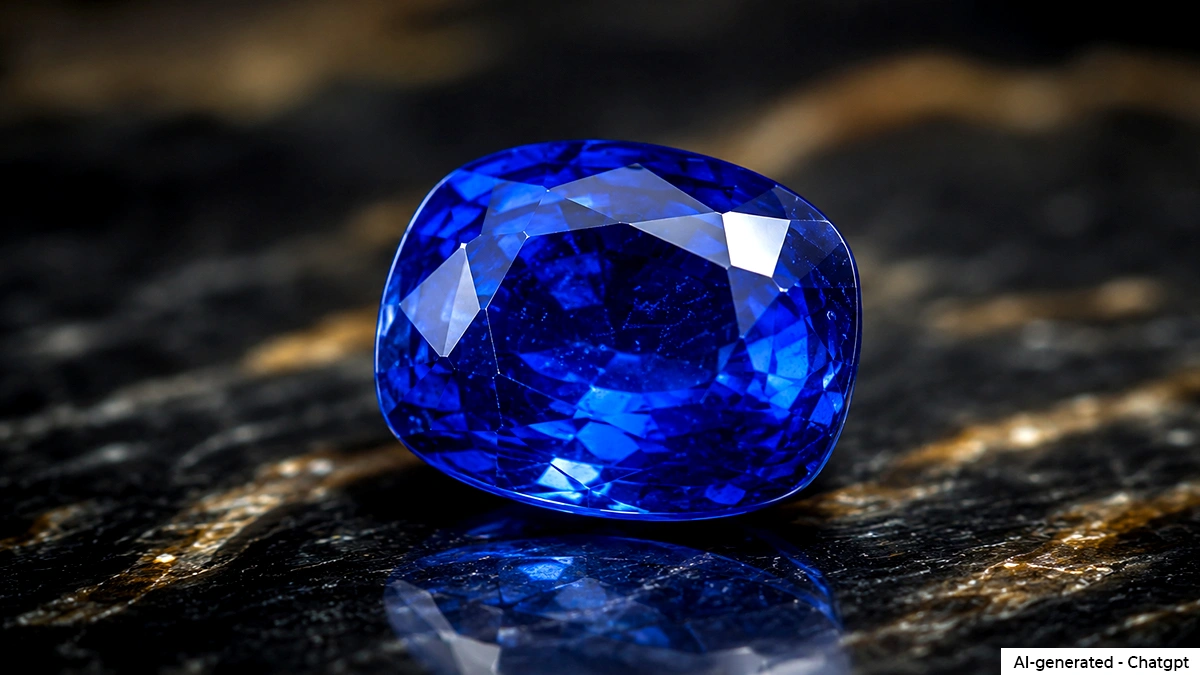
The first thing most people notice about a sapphire is its color and it’s also one of the biggest factors in determining its value. A high quality untreated blue sapphire will often exhibit a deep velvety blue color that is not too dark or too washed out. The color should feel alive in different lighting, not dull or too inky.
Ideally, high quality yellow sapphires will have a vivid yellow color that is not too golden or too pale. Some yellow sapphires are more vivid than some while others aremore golden. Neither is inherently superior and the stone you ultimately decide on will ultimately be down to preference. However, its color should remain vibrant in different lighting conditions rather than appearing dull or overly inky.
Are Inclusions Good or Bad?
A lot of clients assume that a natural sapphire should look completely flawless inside, but that’s not actually the case. Tiny inclusions should be expected, and can even be posed as a positive, as they show the gemstone formed naturally over time.
Under magnification, it is common to see inclusions like fine needles, crystals, fingerprints or growth patterns. These features are not necessarily defects, they are a part of the stone’s growth and development.
Conversely, a sapphire that appears “too perfect” at an unexpectedly low price deserves a second look. It can be synthetic, heavily treated or glass filled. If there is any doubt, ask for independent certification.
Types of Sapphire Treatments
Most sapphires on the market today have been heat treated, and this is a standard, widely accepted practice in the jewelry industry when it is properly disclosed.
Heat treatment is used to enhance a sapphire’s color and clarity, making an already beautiful gemstone even more appealing.
An untreated sapphire is different. Untreated sapphires have not been heat treated or enhanced to improve their appearance. Because their beauty is entirely natural, they are often more sought after by collectors and buyers, especially when they display exceptional color.
A fine untreated blue sapphire with rich, vivid color and excellent clarity can be especially valuable. The same is true for high-quality untreated yellow sapphires, which are considerably rarer in desirable color and clarity.
The key is transparency. Heat treatment is a stable treatment, and this does not make a sapphire a ‘bad buy’, but the buyer should be aware of what they’re purchasing. Full disclosure allows them to make an informed decision and choose the gemstone that best suits their preferences and budget.
Get a Trusted Gem Report
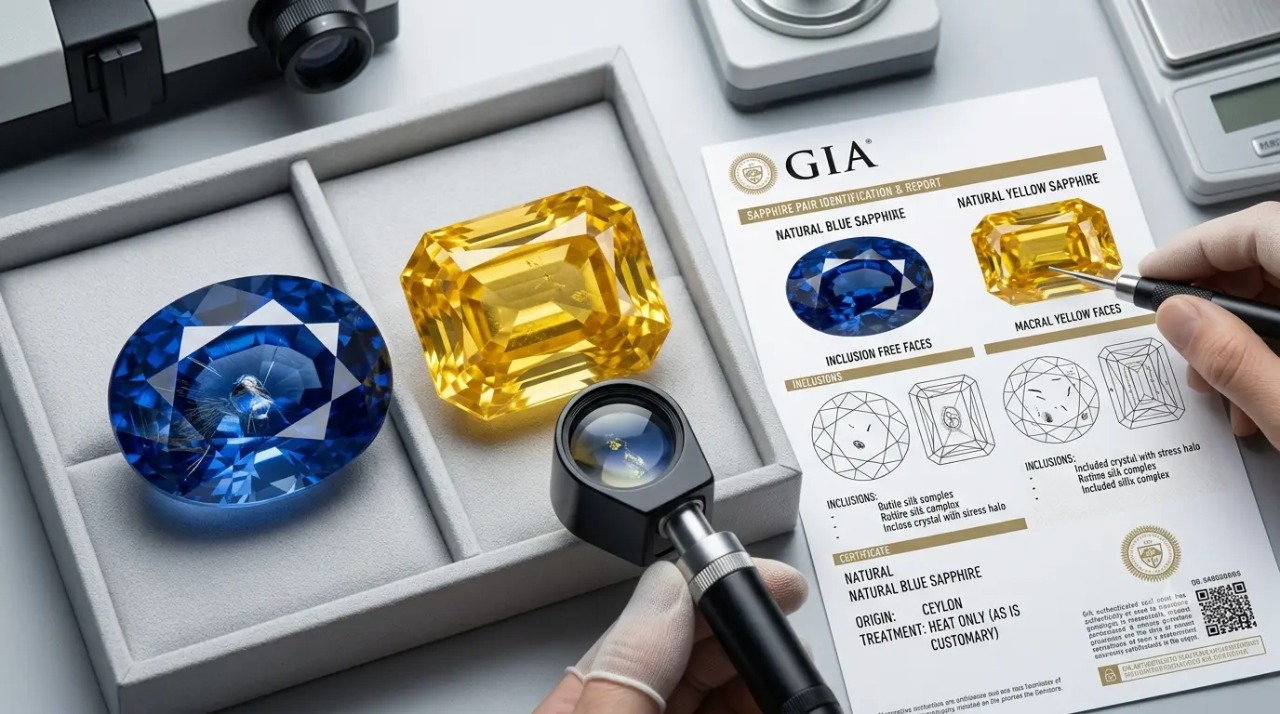
If you are buying an heirloom untreated sapphire, certification should be required. Obtaining an independent certification ensures the stone matches what you are purchasing.
GIA certified sapphires have independent gemological information that can identify the stone, indicate if treatment is detected, and depending on the type of report may include origin information. AGL also provides colored stone and jewelry reports that help buyers confirm important details about their gemstones.
A report is particularly important when buying an untreated sapphire gemstone, a rare sapphire, or a sapphire above a higher price point.