Last Updated on April 4, 2026
When you look at a piece of jewelry, the colorful gemstones and the eclectic designs immediately draw your eye. However, one of the most important aspects of jewelry is the metal it is wrought in. Metals are not only responsible for keeping up the structural integrity of a jewel, they also heighten its beauty.
Some precious metals are so scintillating that other than the metal itself, you don’t need other any embellishments. Here is an introduction to some of the most important metals in the jewelry industry:
1. Gold: The Most Iconic of Jewelry Metals
Gold is the most famous metal used in jewelry and has been a classic symbol of wealth and power for centuries. The gold is one of the densest metals of all and is also extremely malleable and ductile. This makes gold ideal for using in jewelry. Artisans can even beat gold into thin sheets called “gold leaves.”
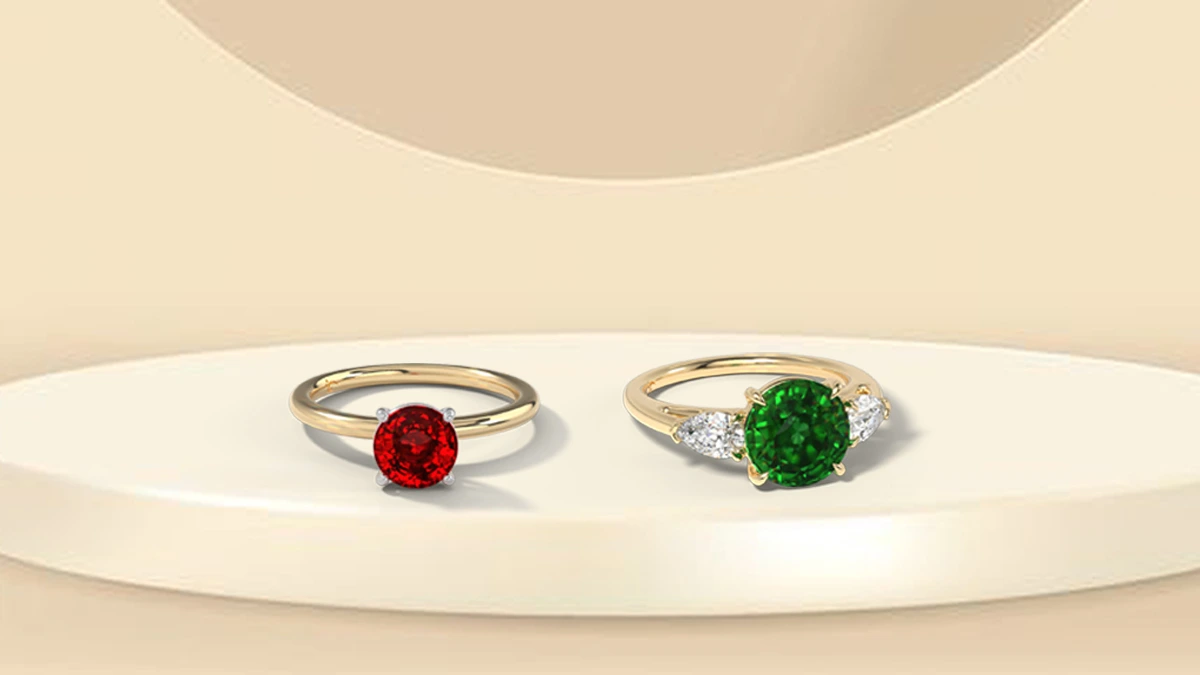
It is important to note that yellow gold, white gold and rose gold aren’t different metals. The metals mixed with gold determine its color. For instance, jewelers alloy white gold with palladium and silver. They also plate white gold with rhodium to harden the surface and give the jewel greater luster.
Also, jewelers achieve the trending rose gold color by alloying pure gold with copper, which gives the metal a pinkish hue. Irrespective of the color, yellow, white and rose gold generally have the same price if they contain the same amount of pure gold. Sometimes, jewelers’ price white gold above yellow gold because of the additional workmanship and material required for rhodium plating.
The purity of gold alloyed with other metals is measured in Karat (k). 24k gold is completely pure with no added metals. 18k gold contains 75% of pure gold while 14k gold contains 58.3% of pure gold. Pure gold metal isn’t ordinarily used in making jewelry as pure gold jewelry loses its form easily and is and therefore, impractical. It is also evident that alloying other metals with gold is not only for the purpose of manipulating color but also to strengthen the metal.
2. Platinum: The Most Durable of Jewelry Metals
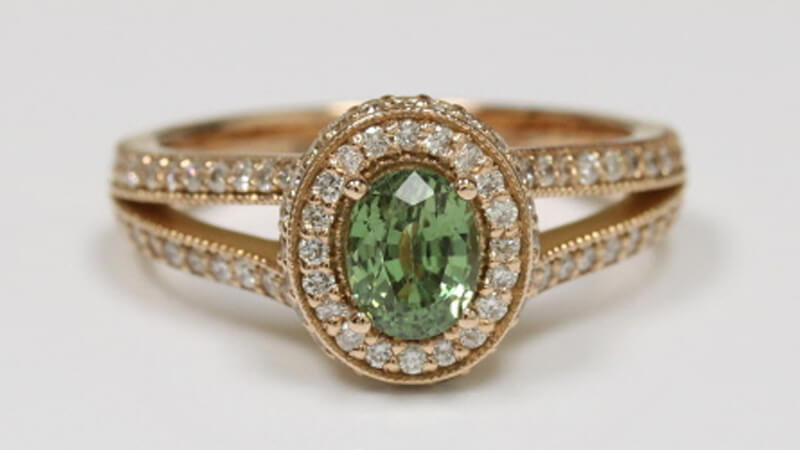
Platinum is an ethereal silver-white metal that is almost 30 times rarer than gold and therefore, significantly more expensive. This metal gained prominence in the jewelry industry in the early 20th century. Like many other luxury items, its popularity wavered during the world wars but bounced back in the 1990s.
Fading, tarnishing or oxidation do not affect platinum’s natural metallic sheen. On the other hand, gold oxidizes easily and requires regular polishing. Therefore, platinum has emerged as a flag bearer of eternal love and is a popular choice when it comes to engagement rings.
Platinum is mixed with metals like iridium, nickel and osmium for use in jewelry.
Unlike gold, platinum is not measured in karats. Instead, the manufacturer stamps platinum with a standardized platinum quality mark which indicates the amount (percentage) of pure platinum contained. Pt1000 denotes pure platinum.
Platinum can retain up to 95% of its purity with alloys taking only 5% of the ratio. While manufacturers avoid using Pt1000 for commercial jewelry, they still maintain exceptionally high purity in the platinum used for jewelry making. It is however, important to note that the high purity does not compromise on the metal’s strength and durability. In fact, gemstones set in platinum are the safest.
Platinum is lustrous, durable and remarkably scratch resistant. It is also incredibly rare and precious. Gemini said
Most jewelers stick to gold and silver because they source these metals easily and use them to produce a larger volume of jewelry. But high-end retailers and designers can’t keep their hands off this precious metal. This is another reason why platinum jewelry is more expensive.
3. Silver: The Most Versatile Metal
Argentum (Ag) or Silver is a widely recognized jewelry metal that is grayer than platinum but is just as stunning. It’s Latin-origin word means ‘white & shiny’. Silver has been used in jewelry making for centuries. Silver is extremely malleable, which means it can be beaten into various shapes without cracking. However, this also means that an impact can easily ruin the shape of a finished piece.
Consequently, jewelers never use pure silver in jewelry making. They alloy it with copper and other metals to add strength, creating what the industry calls sterling silver. Sterling silver usually contains 92.5% pure silver and 7.5% other metals.
Silver has the tendency to tarnish after a period of time. However, storing silver jewelry in tarnish resistant cloth bags can prevent such oxidation. If your silver jewelry is tarnished, it does not mean that it is ruined. By simply polishing your silver jewelry, you can restore it to its original glory. Silver is significantly more affordable than platinum and gold. Therefore, you’ll usually find it paired with beads, crystals and semi-precious gemstones.
Find the Perfect Shine With the Right Metal
Choosing the right metal is an important part of designing the jewelry of your dreams. We hope this article helped and we wish you the best of luck in your endeavor. Shop your heart out!
At GemsNY, quality and craftsmanship are priority, as reflected in genuine GemsNY reviews shared by satisfied customers. Whether you prefer gold, platinum or silver, the right choice will enhance both beauty and durability. Make your selection wisely and let your jewelry reflect your unique style for years to come.